A new federal alcohol tax increase will go into effect on April 1. This has upset industry groups, taxpayer advocates, and brewery workers who say Canadians can’t afford to pay more. The federal government will raise the excise taxes on beer, wine and spirits by 2%. This is part of the automatic annual change that started a few years ago.
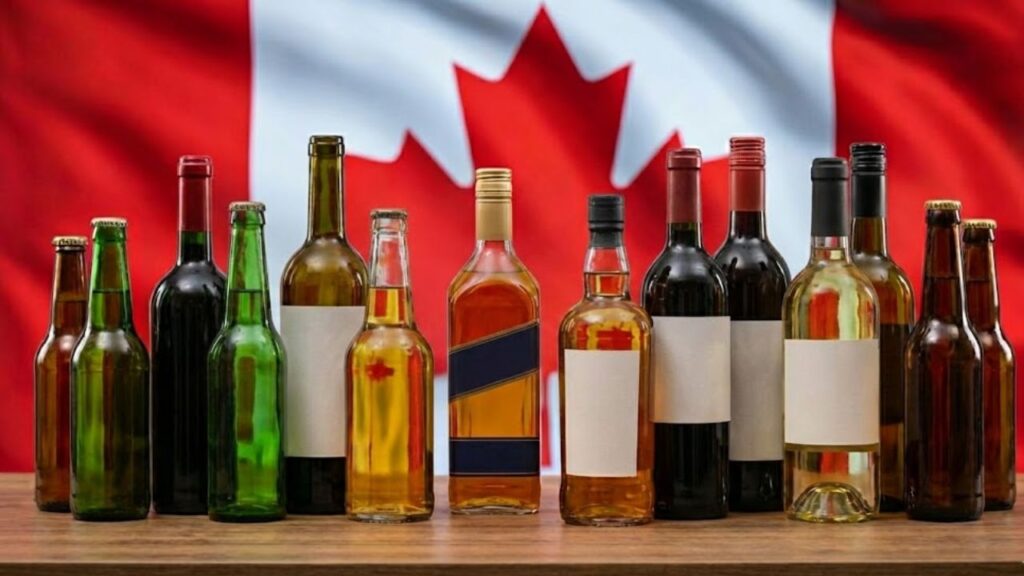
Critics say the increase comes at the wrong time because families all over the country are already having trouble making ends meet. But those who support the policy point to its built-in design and financial role. Businesses, workers, and consumers are getting ready for the effects as the April 1 start date gets closer.
This in-depth breakdown explains how the alcohol excise tax works, why the increase is automatic, how much it may cost Canadians, and what it means for breweries, distillers, restaurants, and regular people.

What is the federal tax on alcohol?
The federal alcohol excise tax is a tax on the production of beer, wine, and spirits that are made or brought into Canada. Producers pay it, but it gets passed down the supply chain, which adds to the final price that people pay at stores, bars, and restaurants.
Excise taxes and sales taxes are not the same. When you check out, the GST or provincial sales tax is added. But the excise taxes are already included in the price before the product even hits the shelf.
That means that when excise rates go up, prices usually go up too.
What Is Changing on April 1?
Starting on April 1, the federal government will raise the excise tax on alcohol by 2%. The change applies to:
- Beer, wine, and spirits
The rise comes after the 2017 federal budget introduced the automatic escalator formula. This system raises excise taxes every year based on inflation without needing a new vote in Parliament.
Industry estimates say that the two percent increase will cost taxpayers about $41 million in total for the years 2026–27.
Two percent may not seem like a lot, but representatives from the industry say that annual increases add up over time, making things more expensive for both businesses and consumers.
How the Alcohol Escalator Tax Works
The escalator tax was put in place so that alcohol excise taxes would change automatically every year. The goal was to tie rates to inflation so that the tax’s real value wouldn’t go down over time.
Changes to alcohol excise taxes had to be approved by Parliament before 2017. The escalator took away that step, so annual changes could happen automatically on April 1.
Since it was first used, experts in the field say the escalator has added about $1.6 billion in total costs.
Critics say that the fact that the increase happens automatically means that people can’t hold the government accountable. Supporters say it makes fiscal planning more predictable.
The Canadian Taxpayers Federation is not happy with this.
The Canadian Taxpayers Federation has asked Prime Minister Mark Carney to cancel the rise on April 1 in public.
Franco Terrazzano, the organization’s Federal Director, said that Canadians are already paying a lot for housing, food, gas, and utilities. He said that raising taxes on alcohol puts even more strain on people when they are already worried about how much things cost.
The federation says that if lawmakers think taxes need to go up, Parliament should talk about it and vote on it instead of just raising them automatically.
The group calls automatic raises undemocratic and hard to deal with, especially when they are added to other economic problems.
Brewers, distillers, and restaurants are worried about the industry.
Not only do taxpayers want to know, but alcohol producers are also sounding the alarm.
Workers at Canadian breweries are worried that another tax hike could lead to:
- Lower levels of production
- Freezes on hiring
- Possible layoffs
- Investment in growth put off
The brewing industry already has to pay more for things like ingredients, packaging, transportation, and energy. Some companies also say that their sales are not growing or are going down.
Margins can be tight, especially for small craft breweries. Even small increases in costs can affect pricing strategies and how competitive a business is.
The same goes for bars and restaurants. Because alcohol sales make up a big part of many businesses’ income, higher wholesale prices can make them raise menu prices or lose money.
How much do Canadians already pay in taxes on alcohol?
About half of the final retail price of alcohol in Canada comes from taxes at different levels of government.
The price structure usually has:
- Federal excise tax
- Markups by province
- Tax on sales in the province
- GST from the federal government
When these layers are put together, they raise shelf prices a lot more than the cost of making them.
Critics say that making this structure bigger makes it less affordable, while governments see taxing alcohol as a way to make money and a way to improve public health.
Why Governments Tax Alcohol So Much
There are a number of reasons why alcohol has historically been taxed more heavily:
- Making money
Excise taxes give the government a steady and predictable source of money.
- Things to think about for public health
Higher prices can stop people from buying too much, which is linked to health care and social costs.
- Consistency in policy
Because they are regulated, alcohol, tobacco, and cannabis often have to pay excise taxes.
Governments often say that alcohol taxes are a good way to meet their budget needs and promote responsible drinking.

Pressures on Affordability in 2026
The increase on April 1 comes at a time when the economy is still having problems.
Many homes still have:
- Higher prices for groceries
- Costs of high mortgages and rents
- Higher premiums for insurance
- Bills for utilities going up
In this situation, even small price increases can seem like a big deal.
People who buy alcohol on a regular basis may notice the effects of yearly excise tax increases over time.
The Political Argument
There are two main issues that people talk about when they talk about the escalator tax:
Democratic Control
People who are against automatic tax increases say they take away the accountability of Parliament.
Stability in finances
Supporters say that the escalator makes money in a way that doesn’t require constant political fights.
The problem also has to do with bigger talks about tax policy. Some policymakers think that lowering taxes can help the economy grow, while others stress the need to keep revenue coming in to pay for public services.
Effects on Small and Independent Producers
Big alcohol companies that do business in many countries may be better able to handle small cost increases.
Smaller, independent producers often have to work with less money. A two percent increase in excise taxes can mean for them:
- Lower profits
- Investments in capital that are delayed
- Higher prices in stores
- More pressure from competitors
In rural areas where breweries and distilleries provide jobs, these pressures can have effects on the economy as a whole.
What to Expect After April 1 for Consumers
Customers might notice:
- A few liquor stores have raised their prices slightly.
- Bars and restaurants charge more for drinks
- Promotional discounts are happening less often.
The difference in price for each product may not seem like much, but it adds up over time.
For instance, a small price rise for each case of beer might not seem like a big deal on its own. But after years of making small changes to the escalator, the overall changes become clearer.
Is it possible to undo the tax hike?
The federal government can technically stop or cancel the escalator adjustment. In the past, temporary relief measures were put in place to keep the annual increase from getting too big.
The April 1 increase will happen automatically, though, unless a new policy decision is made.
To stop the rise, politicians would need to want it and pass a law.
Tariffs and rising costs in the economy
According to industry groups, the alcohol industry is also dealing with:
- Possible tariff pressures
- Problems in the supply chain
- Costs of packaging are higher
- Higher costs for workers
These pressures can make financial problems worse when combined with higher excise taxes.
To stay in business, companies may need to make changes to how they run things.
The Bigger Picture of Money
From the federal government’s point of view, excise tax money helps pay for:
- Infrastructure for healthcare
- Programs for the community
- Services for the public
The expected $41 million rise in 2026–27 is a small part of the total federal revenue, but it is still important in the larger debate about affordability.
The discussion ultimately shows that there are conflicting priorities between keeping the economy stable and helping consumers.
What’s next?
The two percent rise will happen on April 1 unless the government says it will change its mind.
Producers will change their pricing structures, and over time, retailers will change the prices on their shelves to match.
People probably won’t see big jumps overnight, but prices are likely to go up slowly over time.
The political debate could go on, especially if worries about affordability grow in the coming months.
The federal alcohol excise tax hike on April 1 may only be two percent, but it is part of a bigger discussion about taxes, affordability, industry competitiveness, and government accountability.
- It means that prices will go up a little bit for customers.
- It puts more cost pressure on producers.
- It shows policymakers how hard it is to balance the need for money with the economy’s sensitivity.
Businesses and families will be keeping a close eye on how prices change and whether political pressure causes changes to the escalator system in the future as the new rate goes into effect.
The tax increase is on its way. The effect, though small, will be felt by both businesses and consumers.